
5 Smart Ways to Detect Plumbing Leak Yourself Without Breaking Anything
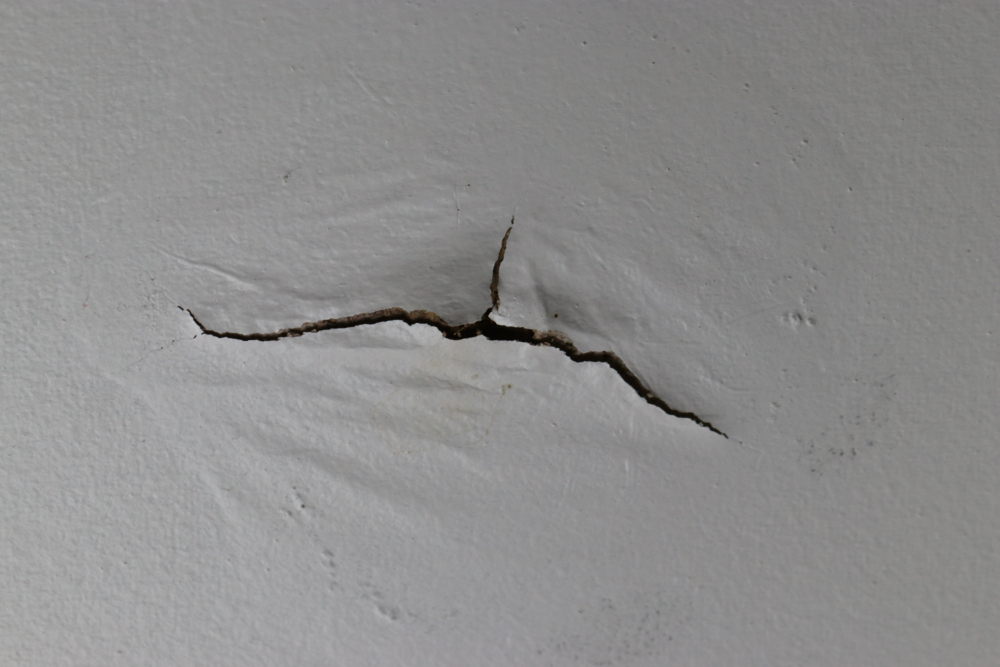
Water damage can wreak havoc on your home and your wallet. Plumbing leaks, especially the hidden ones, often go unnoticed until they cause significant destruction. Whether it’s a small crack in a pipe or a slow drip inside your wall, knowing how to find a plumbing leak at home can save you from costly repairs. If you’re a homeowner in Spring, TX, understanding plumbing leak detection techniques is crucial for maintaining your property and peace of mind.
The good news is you don’t need to rip apart your drywall or pull up tiles to find where the water is leaking. Modern techniques and a keen eye can help you perform leak detection without breaking walls. In this article, we’ll explore five smart, damage-free methods that anyone can try. These DIY plumbing leak tips are effective, practical, and perfect for homeowners who want to be proactive.
1. Monitor Your Water Meter
One of the easiest and most accurate methods to detect a hidden plumbing leak is by using your water meter. If you suspect a leak but don’t see any visible water, your meter can give you a clue. First, make sure all water-using appliances and fixtures are turned off: this includes washing machines, dishwashers, faucets, and sprinklers. Then, take a look at your water meter and jot down the reading.
Wait for about 30 minutes to an hour without using any water. If the meter reading has changed, it’s a strong sign that water is leaking somewhere in your plumbing system. This test doesn’t require you to break anything or use special equipment, and it’s a great way to confirm your suspicions before diving deeper.
Residents in Spring, TX, often face challenges with older infrastructure or seasonal pipe expansion and contraction. Checking your meter regularly can become a routine part of your home maintenance and help you catch leaks early.
2. Use the Food Coloring Trick for Toilets
Toilets are notorious for silent leaks. A faulty flapper or valve can cause water to slowly leak from the tank into the bowl, wasting gallons each day without any noticeable noise. One clever way to spot this is with a bit of food coloring.
Remove the tank lid and add a few drops of food coloring to the water inside the tank. Wait 10 to 15 minutes without flushing. If colored water appears in the toilet bowl, you’ve found your leak. This method is completely non-invasive and requires nothing more than food dye from your kitchen.
Even though this seems simple, it’s surprisingly effective. According to the Environmental Protection Agency, a leaking toilet can waste up to 200 gallons of water per day. That’s not only bad for your utility bill but can also be environmentally harmful. Knowing how to pinpoint a toilet leak with food coloring is one of the most useful DIY plumbing leak tips available.
3. Look and Listen for Subtle Clues
Plumbing leaks don’t always announce themselves with a flood. Often, they reveal their presence through subtle signs that many homeowners overlook. Take time to inspect areas where plumbing is common: under sinks, around the base of toilets, behind washing machines, and near water heaters. Look for moisture, discoloration, bubbling paint, or warped baseboards. These can be early indicators of a leak.
Listening is just as important as looking. Pay attention to sounds like dripping, hissing, or the faint sound of running water even when all fixtures are off. These auditory cues often point to a leak within walls or under floors.
In Spring, TX, where high humidity can already lead to mold issues, it’s vital to act on any signs of moisture quickly. This observation method is non-destructive and part of an effective strategy for leak detection without breaking walls.
4. Check for Mold and Mildew Growth
Mold thrives in moist, dark environments and can be a clear sign of a plumbing leak. If you notice a musty smell in certain parts of your home or see black or green specks on walls, ceilings, or floors, there could be water leaking nearby. This is especially true in bathrooms, kitchens, basements, or behind appliances.
Keep in mind that visible mold is just the tip of the iceberg. Leaks behind drywall often cause mold that spreads silently until it breaks through the surface. Since tearing down a wall is not ideal, use a moisture meter to test suspicious areas. These handheld devices are inexpensive and can give you a strong indication of whether moisture is present behind a surface.
For homeowners in Spring, TX, where air conditioning use and humidity can mask leak symptoms, this is an essential part of plumbing leak detection. Mold and mildew are health hazards, so early detection is beneficial not just for your home, but for your wellbeing too.
5. Perform a Pressure Test
Another smart way to detect leaks without doing any damage is to perform a pressure test on your plumbing system. When there’s a leak, even a small one, the water pressure in your system will drop. You can use a simple pressure gauge, which attaches to an outdoor faucet or laundry connection.
Start by shutting off all water fixtures and checking your baseline water pressure with the gauge. Let the system rest for a bit, then check again. A noticeable drop in pressure may indicate a hidden leak. This is particularly useful for spotting leaks in pipes that run beneath concrete slabs or inside walls.
In Spring, TX, where foundation issues are common due to expansive clay soils, slab leaks are a particular concern. Detecting one early with a pressure test can help you avoid thousands in structural repairs. This form of how to find a plumbing leak at home is both scientific and safe for your property.
Conclusion
You don’t need to be a licensed plumber to detect water leaks in your home. By using simple techniques such as monitoring your water meter, applying food coloring to toilets, observing for visual or auditory signs, checking for mold, and performing a pressure test, you can identify issues before they escalate into serious problems. Each of these methods supports leak detection without breaking walls, giving you the confidence to investigate potential issues without damaging your home.
For residents of Spring, TX, being proactive about plumbing leak detection is more than just a money-saving tactic; it’s an investment in your home’s longevity and safety. Water damage doesn’t wait, and the sooner you spot a problem, the easier and cheaper it will be to fix.
These DIY plumbing leak tips can empower any homeowner to take control of their plumbing health. However, if your methods reveal a leak you can’t pinpoint or resolve, it’s wise to call a professional before the issue worsens. Leak detection professionals have tools like thermal imaging and acoustic sensors to find even the most elusive leaks without disturbing your walls or floors.
Preventing water damage starts with awareness, and these five smart steps can help you detect leaks early, preserve your property, and enjoy peace of mind, all without breaking a thing.
Need HVAC Technicians in Spring, TX?
Welcome to Priority 1 Plumbing & Air Conditioning. We’ve been in business since 1978 and serving Spring, Texas ever since! We specialize in faucet replacement, drain line cleaning, heating, air conditioning replacement and repair, and so much more! With more than 40 years of experience, we are the trusted company for all of your plumbing and air conditioning needs! We have been family-owned and operated since day one. Our customers are always guaranteed to receive friendly and personalized service! Contact us today today to learn more about what we can do for you!